Innate defences
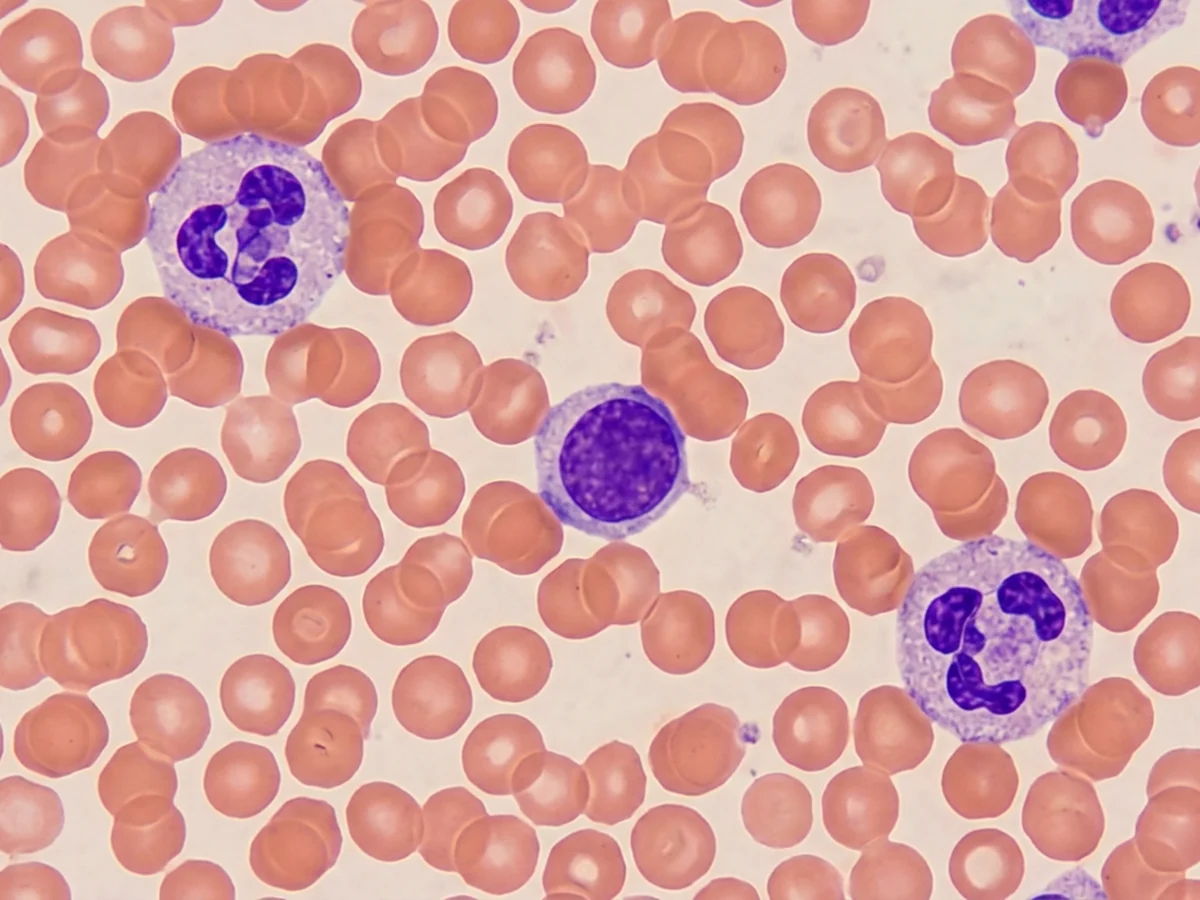
Skin, mucus, stomach acid and tears block or kill many microbes. White cells such as neutrophils and macrophages engulf invaders, and inflammation brings more defenders to the site.
Adaptive defences
B cells make antibodies that latch onto specific targets. Killer T cells destroy infected cells, and helper T cells coordinate the response.
Immune memory
After an infection or vaccination, memory cells remain for years. If the same germ returns, they respond quickly, often before symptoms appear.
When it misfires
Allergies occur when the immune system overreacts to harmless substances. In autoimmune diseases, it attacks the body's own tissues.
Sources & further reading
Simplified explanation. Photograph: original AI-generated illustration (Adobe Firefly). Reference organisations do not endorse this website.