A convention for shared heritage
The idea of a list of places that belong to all humanity gained momentum in the 1960s, when an international campaign moved the ancient temples of Abu Simbel in Egypt to save them from the rising waters behind the Aswan High Dam. In 1972 UNESCO adopted the Convention concerning the Protection of the World Cultural and Natural Heritage, joining cultural monuments and natural areas in one treaty. Almost every country has ratified it. States parties commit to protect sites on their territory and to support conservation elsewhere. The World Heritage List, which now contains more than 1,200 properties, is the convention's best-known product.
The tentative list
The process starts at home. Each country prepares a tentative list of places it considers might have outstanding universal value and intends to nominate in the coming years. A site must normally appear on this list for at least a year before a full nomination. Preparing the nomination dossier can take years. It must define the boundaries, document the site's history or natural features, compare it with similar places, explain which of the ten selection criteria it meets and show that legal protection and a management plan are in place. Dossiers must reach the World Heritage Centre in Paris by 1 February to be considered the following year.
Expert evaluation
Independent advisory bodies then examine each nomination. ICOMOS, the International Council on Monuments and Sites, evaluates cultural sites, while IUCN, the International Union for Conservation of Nature, assesses natural sites. Mixed sites receive both. Experts visit the property, review the dossier and consult specialists. They test whether the site meets the criteria, whether it retains integrity and, for cultural sites, authenticity, and whether protection is adequate. Their reports recommend one of four outcomes: inscription, referral back for additional information, deferral for more substantial work, or not inscribing the site at all. These recommendations carry weight, but the final decision rests with governments.
The committee decides
The World Heritage Committee, made up of 21 states parties elected for terms of up to six years, meets once a year, usually in the summer. It considers the nominations and the advisory bodies' recommendations, and members debate each case. The committee sometimes overturns recommendations, inscribing sites the experts advised deferring, which has led to criticism that political considerations can influence outcomes. Once inscribed, a site's name and criteria are fixed in the committee's decision. The UAE's first inscription was the Cultural Sites of Al Ain in 2011, recognised for evidence of settlement, oasis agriculture and the aflaj irrigation system stretching back thousands of years.
The 'in danger' list
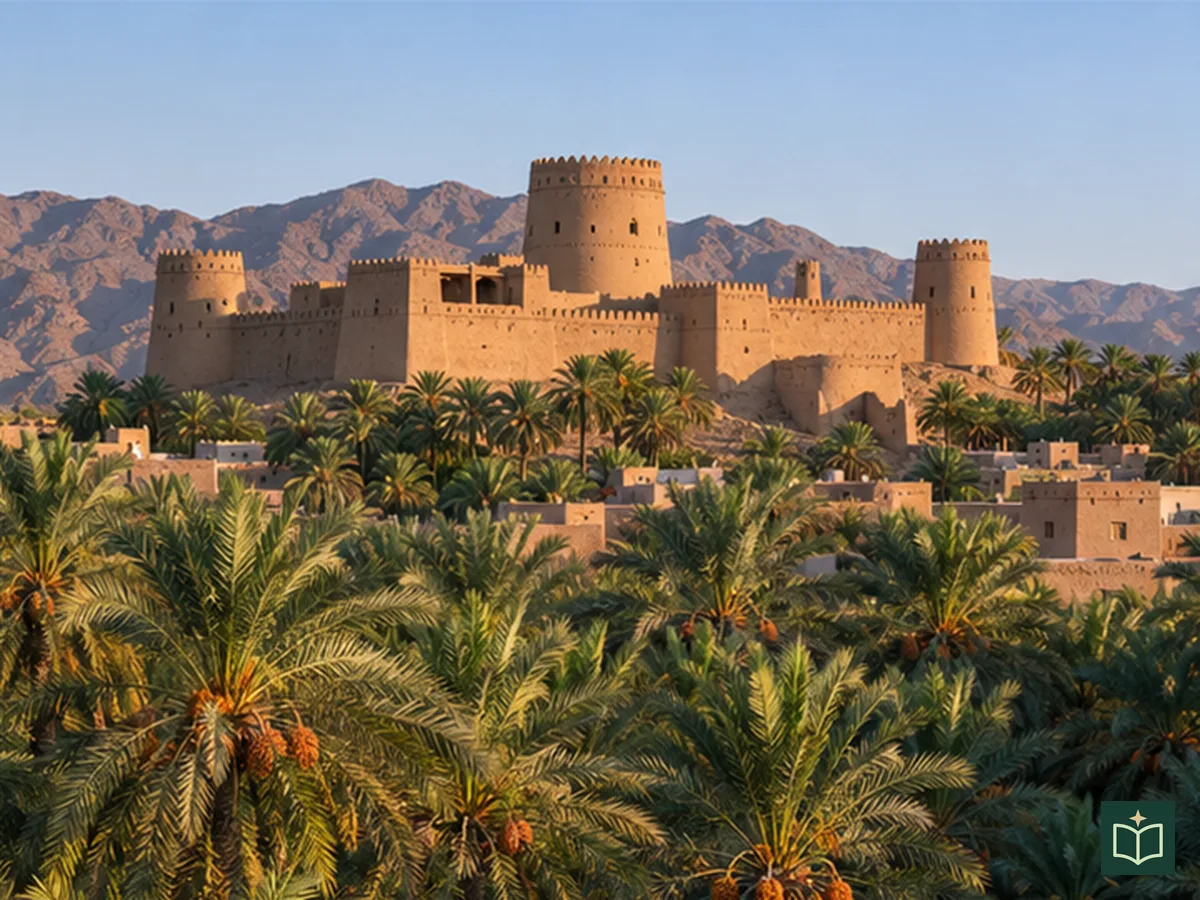
Inscription brings obligations. States must report on conservation, and the committee can place a site on the List of World Heritage in Danger when it faces serious threats, such as armed conflict, uncontrolled development, natural disasters or poaching. The designation is meant to mobilise support and corrective action rather than punish. Oman's Bahla Fort was on the danger list from 1988 to 2004 while it was restored. In the worst cases a site can be removed altogether. Oman's Arabian Oryx Sanctuary became the first site ever deleted, in 2007, after its protected area was greatly reduced; Dresden's Elbe Valley and Liverpool's waterfront were later removed too.
What the label does and does not do
World Heritage status does not transfer ownership or control to UNESCO. The site remains under national law, and the country is responsible for protecting it. Inscription can raise a place's profile, attract visitors and unlock technical help, but rising tourism can itself create pressures on fragile buildings or landscapes. The list is also uneven, with many sites in Europe, and the committee has encouraged nominations from under-represented regions and types of heritage. When reading about a new inscription, note which criteria were cited, and watch future committee reports, since the conditions attached to listing often matter as much as the honour itself.
Sources & further reading
- UNESCO World Heritage Centre ↗
- UNESCO · The criteria for selection ↗
- UNESCO · List of World Heritage in Danger ↗
Figures are rounded and widely published; check the linked organisations for the latest editions. These organisations do not endorse this website.