Who sits there
Most members are life peers appointed by the monarch on the advice of the prime minister, including nominees from parties and independent experts recommended by an appointments commission. A small number of hereditary peers and 26 bishops also sit.
What it does
The Lords examines bills in detail, proposes amendments and questions ministers. Its committees produce influential reports on subjects such as science, the economy and the constitution.
Limited powers
Under the Parliament Acts of 1911 and 1949, the Lords can delay most bills by about a year but cannot block them indefinitely. It cannot hold up money bills. By the Salisbury Convention, it does not block legislation promised in the governing party's manifesto.
Reform debates
The House of Lords Act 1999 removed most hereditary peers. Proposals for further reform, including an elected chamber, a retirement age or reducing numbers, have been debated for decades.
Sources & further reading
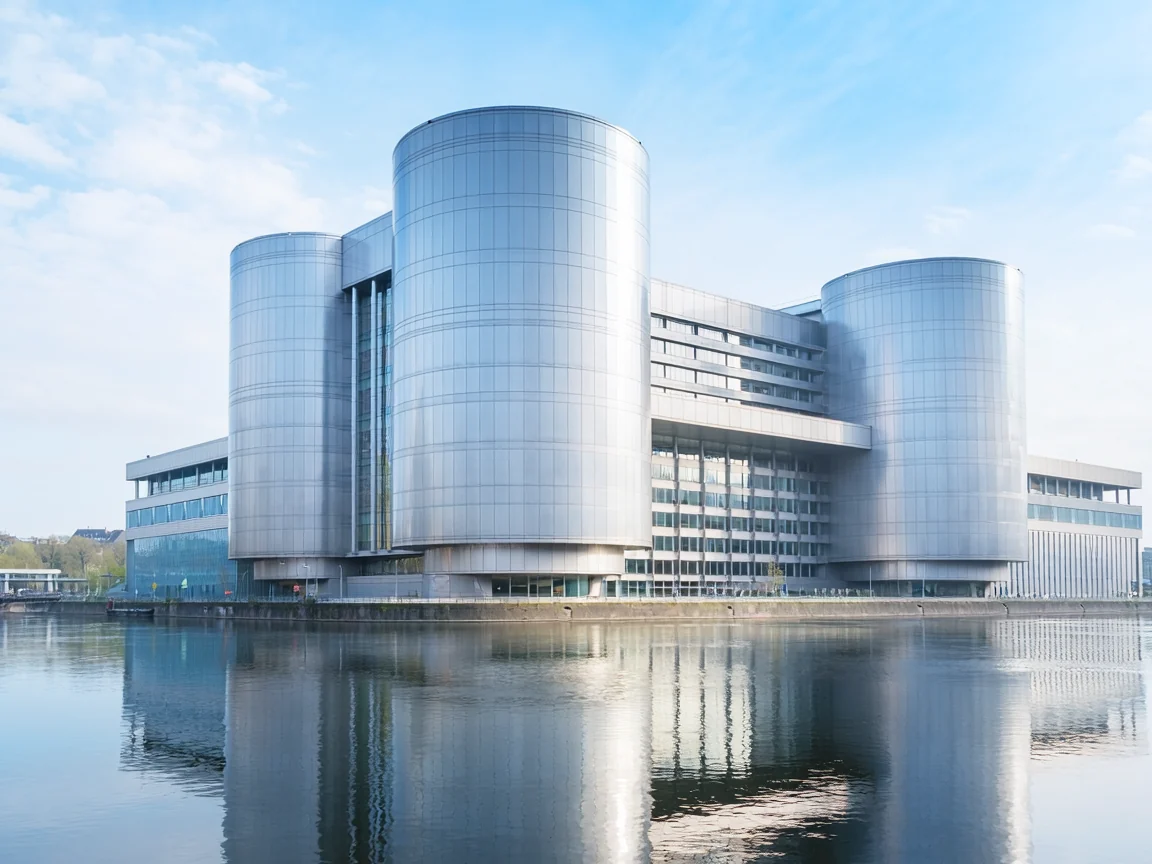
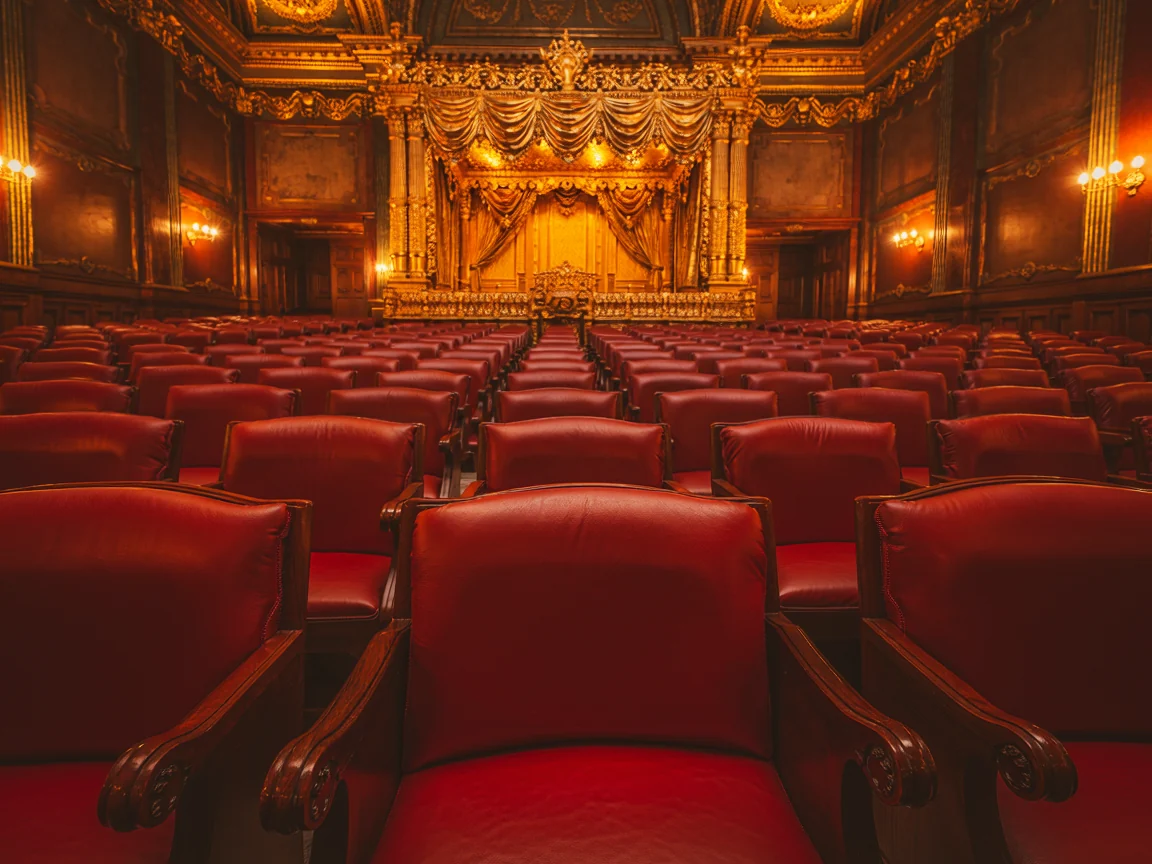
Membership rules are subject to reform. Photograph: original AI-generated illustration (Adobe Firefly). Reference organisations do not endorse this website.