One-way scrambling
A cryptographic hash function turns any input into a fixed-length output. It is easy to compute in one direction and practically impossible to reverse. If a database of hashes leaks, attackers cannot simply read the passwords. But they can guess: hash billions of common passwords and look for matches.
Salt and slowness
To defeat precomputed guess tables, sites add a random salt to each password before hashing, so two users with the same password get different hashes. Password-specific algorithms such as bcrypt, scrypt and Argon2 are deliberately slow and memory-hungry, making each guess costly. A weak or reused password can still fall to targeted guessing.
Why reuse is risky
Credential stuffing attacks take leaked username and password pairs from one breach and try them on other sites. That is why a unique password for each account matters, and why password managers help. Two-factor authentication adds a second check, such as a code or a security key, so a stolen password alone is not enough.
Passkeys
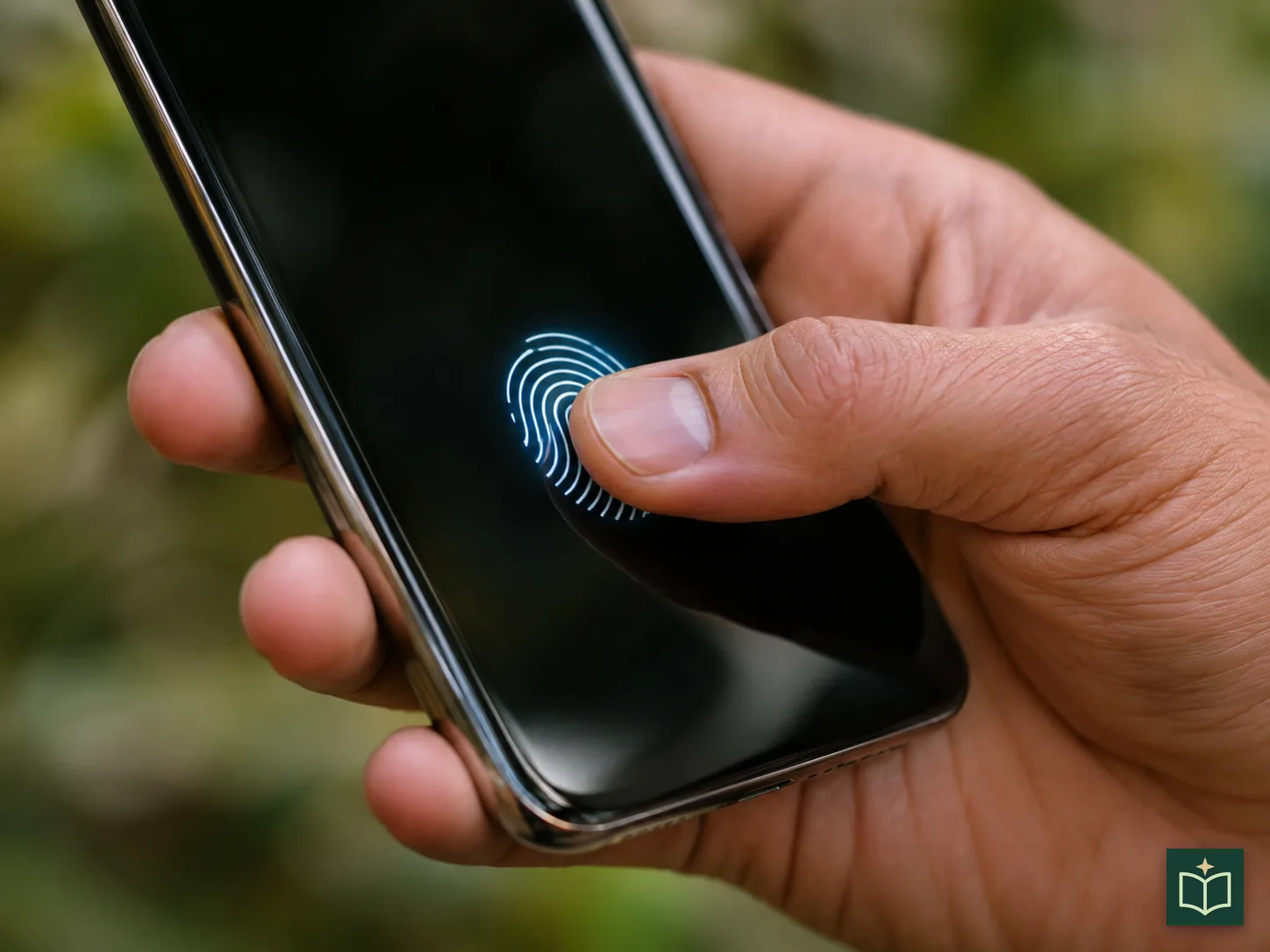
Passkeys, built on the FIDO and WebAuthn standards, replace passwords with a key pair. Your device keeps the private key and unlocks it with a fingerprint, face or PIN; the website only stores the public key. There is nothing reusable to steal from the server and nothing to type into a fake site, making phishing much harder.
Sources & further reading
Figures are rounded and widely published; check the linked organisations for the latest editions. These organisations do not endorse this website.