A deliberately short link
Near-field communication, or NFC, is a radio technology designed to work only when two devices are very close, usually within about 4 centimetres and at most around 10. That limit is intentional. Most radio systems, from Wi-Fi to Bluetooth, try to reach as far as possible. NFC aims for the opposite, because tapping a card or phone is a clear sign of intent and makes eavesdropping harder. It grew out of earlier contactless smart-card standards and radio-frequency identification, or RFID, used for tracking goods. Sony and Philips developed NFC in the early 2000s, and the NFC Forum, founded in 2004, set rules so phones, cards and readers could work together.
Coupled by magnetism
NFC works by magnetic induction, the principle behind transformers and wireless chargers. The reader, such as a payment terminal or ticket gate, drives an alternating current through a coil of wire, producing a magnetic field that changes direction 13.56 million times a second. When a card or phone with its own coil enters that field, a current is induced in it. At this frequency the radio wavelength is about 22 metres, so devices a few centimetres apart are deep in the ‘near field’, where magnetic coupling dominates rather than radiated waves. The strength of that coupling falls off steeply with distance, which naturally limits the range.
Power without a battery
A key feature is that many NFC tags have no battery. A bank card, transit card or sticker contains only a tiny chip and an antenna coil, often a few loops of fine wire running around the edge of the card. The reader’s field supplies enough energy to run the chip for the fraction of a second it needs. To send data back, the card switches a load on and off, subtly changing how much energy it draws from the field, a technique called load modulation that the reader detects. Phones can act as either side: as a reader to scan a tag, or as a card by emulating one at a payment terminal.
Paying and travelling
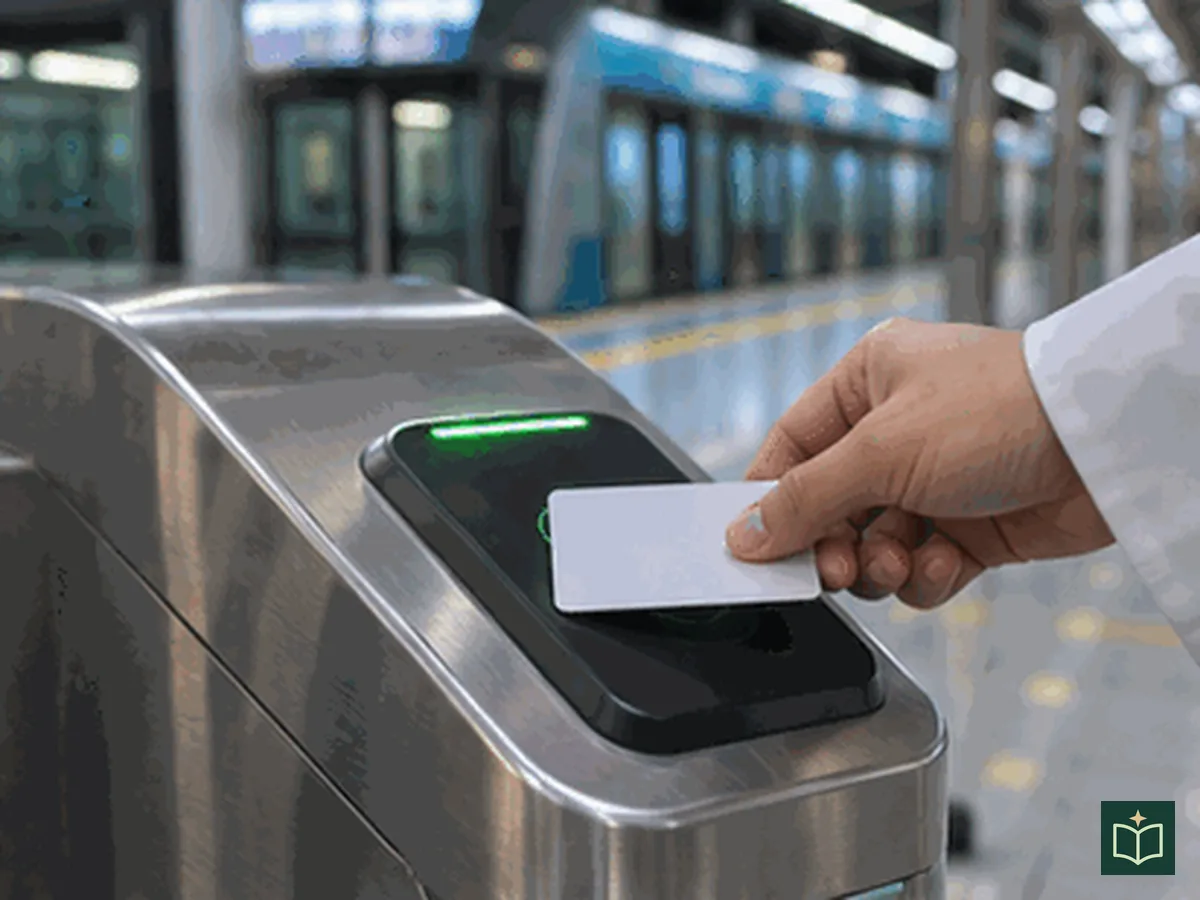
Contactless payment is NFC’s best-known use. When you tap a card or phone, the terminal and the chip run a cryptographic exchange that produces a one-time code for that transaction, so a copied record cannot be reused. Phone wallets add another layer by using a token in place of the real card number and requiring a fingerprint, face or passcode. Transit systems around the world use similar technology. Dubai’s Nol card, for instance, lets passengers tap through metro gates in a fraction of a second, with fares deducted as they travel. The same chips unlock hotel rooms and office doors, and identify books in libraries.
Is it safe?
People sometimes worry that someone could steal card details by brushing past with a reader. The short range makes this difficult, and payment cards share only limited data, protected by encryption, so a captured exchange is of little use for fresh transactions. Card schemes and banks also cap the value of contactless payments without a PIN in many markets and monitor for fraud. The bigger risk is simply losing a card, which someone else could then tap until it is blocked. Phone wallets are stronger because they need you to unlock the phone. Metal-lined wallets block NFC signals, but for most people they add little protection.
Beyond payments
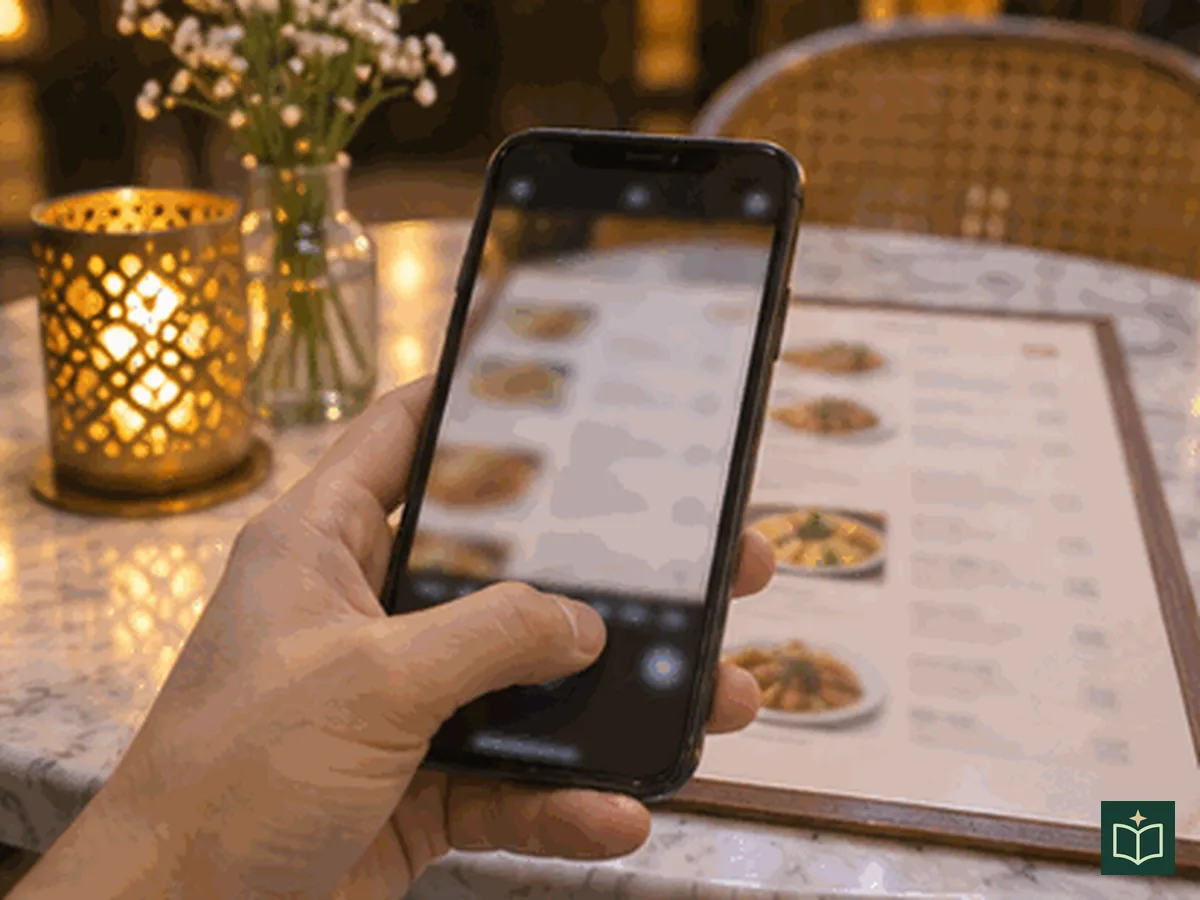
NFC is also used to pair devices: tapping headphones against a phone can trigger a Bluetooth connection without menus. Stickers called tags can store a web link or instruction, letting a phone open a menu at a restaurant table or switch to silent mode by the bed. Electronic passports contain NFC-type chips holding the holder’s details and photograph, which border systems and some phone apps can read for identity checks. Car makers use phones as NFC keys, and factories track parts with tagged labels. The data rates are modest, a few hundred kilobits a second, but for a quick, deliberate exchange of a little information, they are more than enough.
Sources & further reading
Figures are rounded and widely published; check the linked organisations for the latest editions. These organisations do not endorse this website.