The visible tip
A summit appears to be a brief gathering of presidents and prime ministers, with arrival ceremonies, a family photograph and a closing press conference. What the cameras rarely show is the preparation behind it. For regular gatherings such as the G7, the G20 or regional summits, planning begins many months before the meeting. Officials agree the agenda, organise preparatory ministerial meetings and negotiate, line by line, the statement that leaders will issue at the end. Diplomats often describe the summit as the final stage of a long process rather than the moment of decision. Most outcomes are known in outline before leaders arrive.
Who the sherpas are
Each leader appoints a personal representative, known as a sherpa, after the Himalayan guides who help climbers reach a summit. Sherpas are usually senior diplomats or advisers with direct access to their leader. They meet several times during the year, sometimes supported by deputies called sous-sherpas, to shape priorities and negotiate the draft text. Alongside this track, finance ministers, central bank governors and other ministers hold their own meetings, and technical working groups prepare material on subjects such as health, trade or energy. The G20, for instance, runs separate sherpa and finance tracks. Their combined work feeds into the leaders' declaration and any annexes or action plans.
The host sets the tone
The host country, or the presidency for groups such as the G20, chooses themes, proposes the calendar and chairs the preparatory meetings. That gives it considerable influence over what is discussed and which initiatives are launched. The G20 presidency rotates every year, and the previous, current and next hosts cooperate in a 'troika' so that work carries over. Saudi Arabia held the presidency in 2020 and hosted the leaders' summit that November, which was held virtually because of the pandemic. Hosts also handle the practical side: venues, security, accommodation, interpretation, a media centre for thousands of journalists, and the schedule of side meetings between leaders.
Brackets in the communiqué
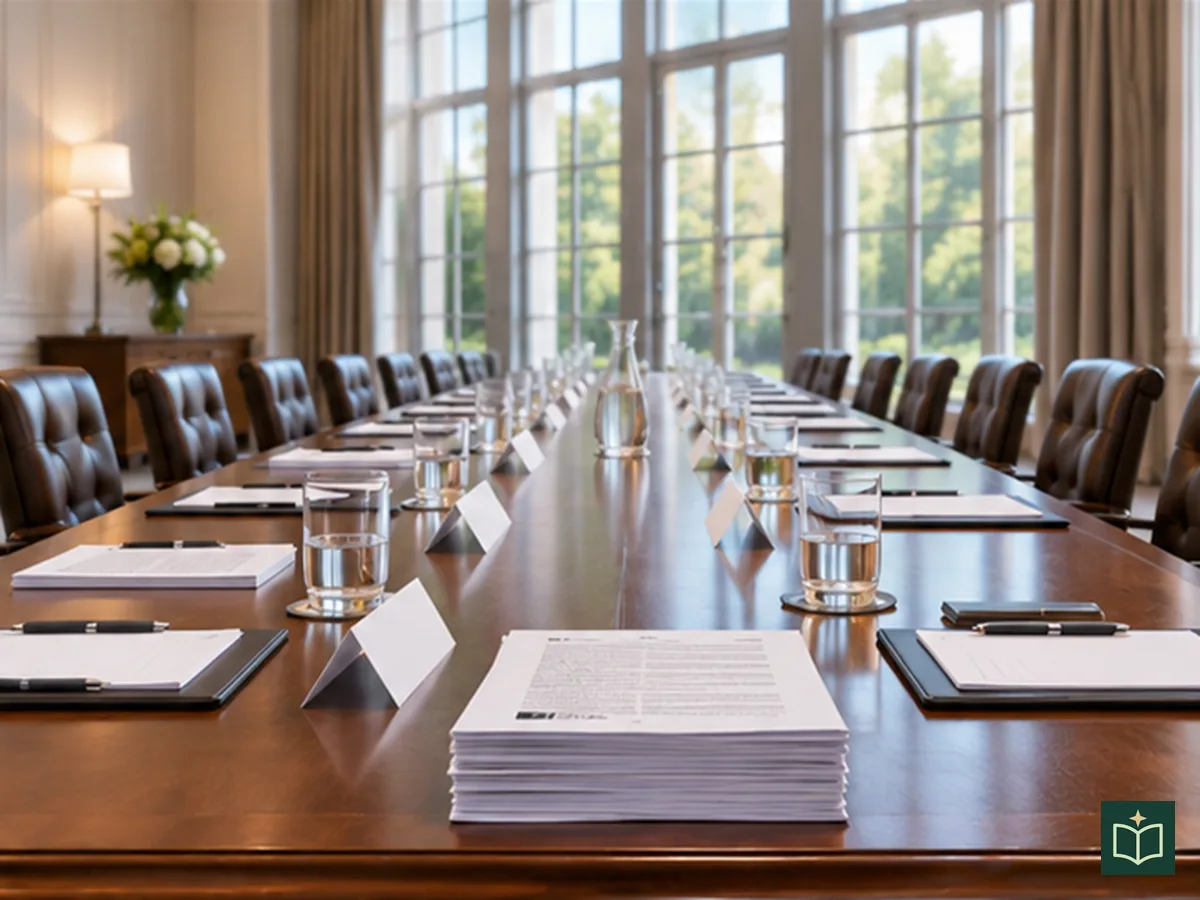
The draft communiqué circulates as a rolling text. Wording that one or more delegations cannot yet accept is placed in square brackets, sometimes with alternative versions side by side. Sherpas trade concessions across topics, accepting softer language in one paragraph in return for stronger wording elsewhere. Negotiations often continue through the night before and during the summit itself. Small changes matter: 'commit to' signals more than 'recognise the importance of'. If agreement cannot be reached on a whole subject, the host may issue a chair's summary instead, which reflects the discussion without binding every participant. Occasionally no joint statement emerges at all, which is itself read as a signal of division.
What happens on the day
With most of the text settled, the summit days focus on structured sessions, informal meals and bilateral meetings 'on the sidelines', which can be as important as the main agenda. Leaders sometimes intervene personally to unlock the last disputed brackets, especially where domestic politics makes a concession difficult. Announcements of new funds, partnerships or deadlines are timed for maximum attention, often in the closing press conferences. Many summits also produce documents beyond the main declaration, such as action plans or commitments from a subset of members. Afterwards, officials begin tracking implementation, and the next host starts planning its own year almost at once.
Reading a summit critically
Because so much is prepared in advance, the final declaration is best read for its changes rather than its length. Comparing it with previous years' statements shows whether language on a subject has strengthened, weakened or vanished. Notice which commitments have numbers, dates or funding attached and which are aspirational. Watch for chair's statements, footnotes or separate national positions, which reveal disagreements the main text papers over. It is also worth remembering that informal groups such as the G7 and G20 have no power to bind their members legally. Their influence comes from the political weight of the participants, and from whether governments follow through once the summit is over.
Sources & further reading
Figures are rounded and widely published; check the linked organisations for the latest editions. These organisations do not endorse this website.