An ancient idea
Censuses have been taken for thousands of years, in ancient Egypt, China and Rome, often for taxation or military service. Modern censuses aim to count everyone for planning and representation.
How it works
Statistical agencies map dwellings, recruit staff and distribute questionnaires, increasingly online. Field workers follow up with households that do not respond. Questions cover age, sex, household composition, education, work and housing.
Hard-to-count groups
Homeless people, migrants, young children and remote communities are often undercounted. Agencies use surveys after the census to estimate how many were missed and adjust results.
Changing methods
Some countries, such as Denmark and Finland, now produce census statistics from population registers instead of questionnaires. Others combine registers with surveys to reduce cost and burden.
Sources & further reading
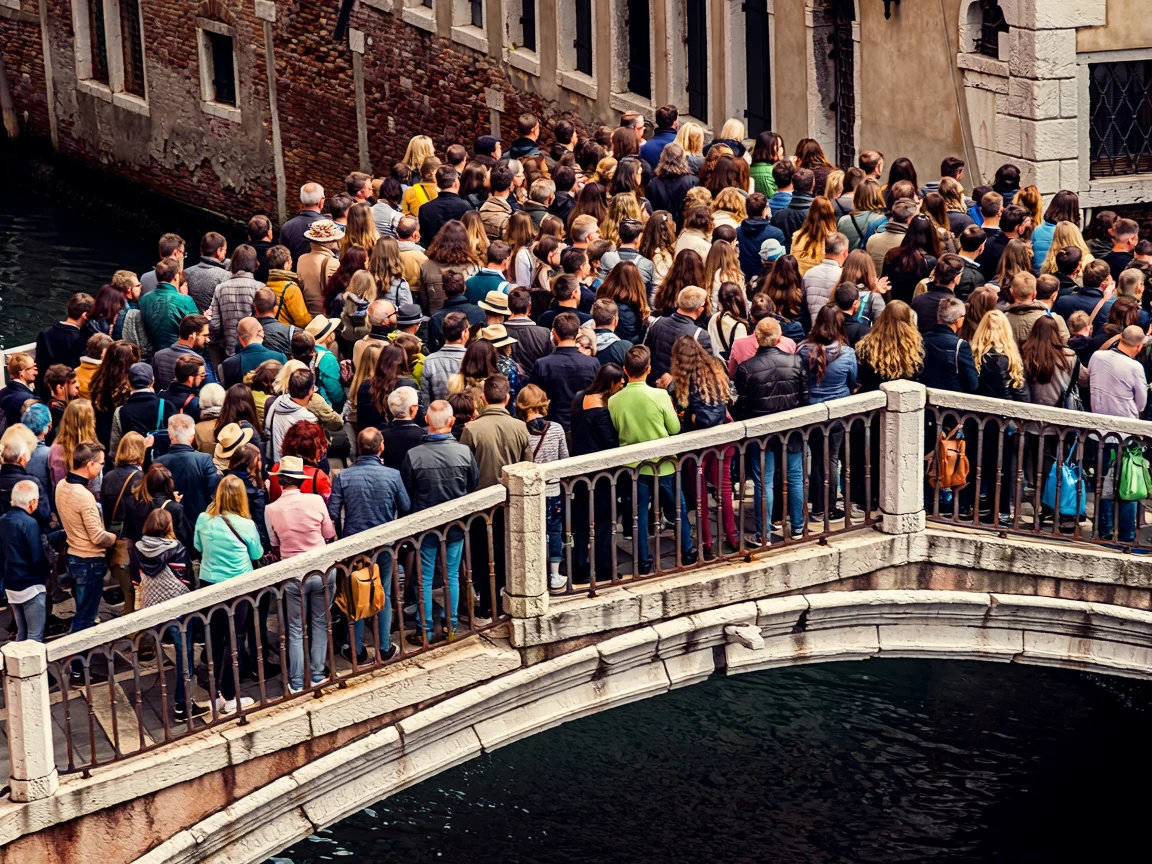
Photograph: original AI-generated illustration (Adobe Firefly). Reference organisations do not endorse this website.