A crowded inner world
The human gut, especially the large intestine, is home to one of the densest microbial communities on Earth. It contains hundreds of species of bacteria, along with archaea, fungi and viruses, collectively known as the gut microbiota; their combined genes are called the microbiome. For years, textbooks claimed that bacterial cells outnumber human cells ten to one. A careful recount published in 2016 estimated around 38 trillion bacteria in a typical adult, roughly matching the number of human cells. Together these microbes weigh only about 200 grams. Every person carries a different mix, shaped by birth, early feeding, diet, medicines, environment and age, yet healthy communities tend to perform similar jobs.
Digesting what we cannot
Human enzymes cannot break down many plant fibres. Those reach the colon intact, where bacteria ferment them. The main products are short-chain fatty acids such as butyrate, acetate and propionate. Butyrate is a key energy source for the cells lining the colon, and these compounds also affect blood sugar regulation and inflammation. Gut bacteria help make some vitamins, including vitamin K and certain B vitamins, and they modify bile acids produced by the liver. Fermentation also produces gases, which is why a sudden increase in fibre from beans, lentils or whole grains can cause bloating for a while as the microbial community adjusts.
A training ground for immunity
Roughly 70 per cent of the body’s immune cells are associated with the gut, according to commonly cited estimates. The resident microbes help teach the immune system to tell harmless bacteria and food from genuine threats. They also crowd out invaders by occupying space and consuming nutrients that harmful species would need. This protective role becomes visible when it is disrupted. Broad-spectrum antibiotics can kill many beneficial bacteria along with the target infection, and this sometimes lets a harmful species called Clostridioides difficile flourish and cause severe diarrhoea. In stubborn cases, doctors have successfully treated it by transplanting stool from a healthy donor to restore the community.
What shapes your microbes
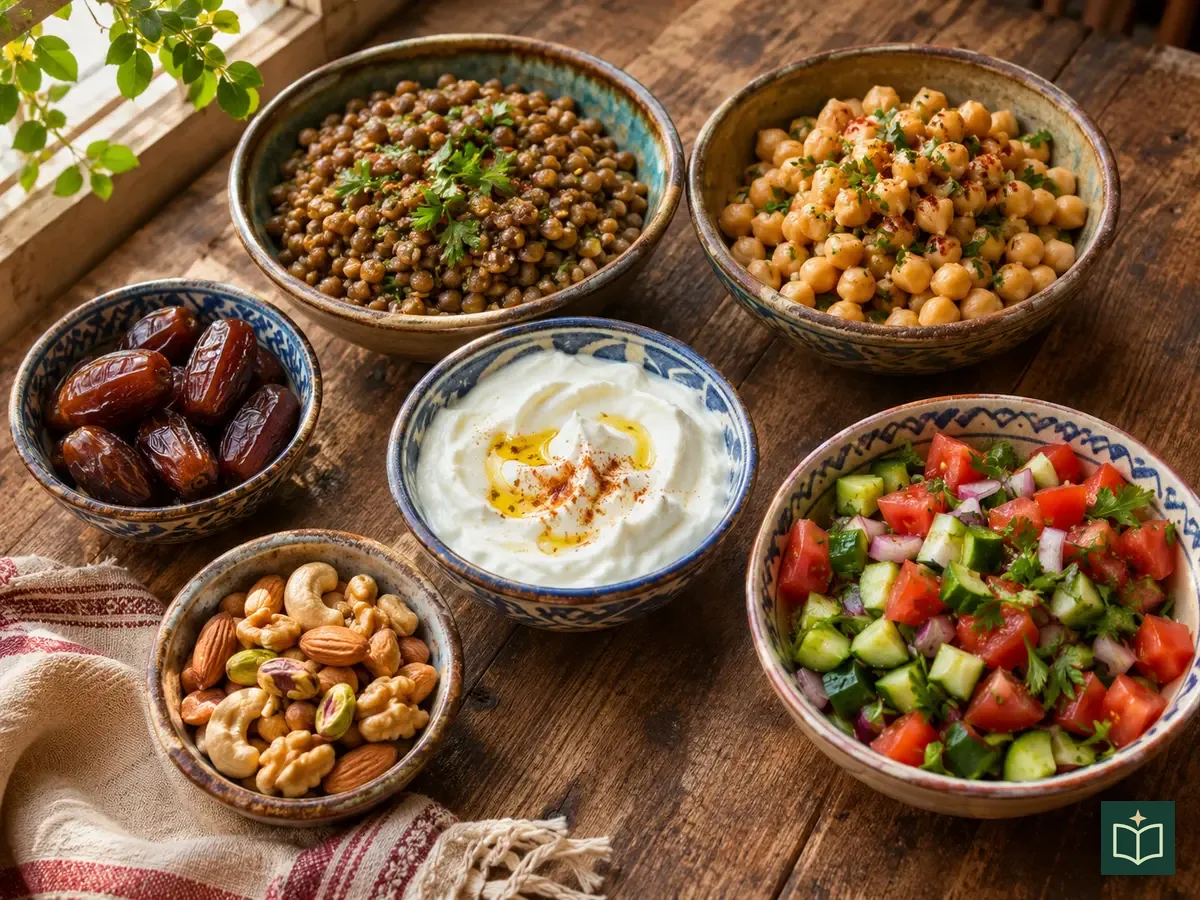
Diet is one of the strongest everyday influences. Studies comparing populations find that people eating traditional, fibre-rich diets tend to have more diverse gut communities than those eating highly processed diets. A diverse range of plant foods, such as vegetables, pulses, whole grains, dates, nuts and seeds, provides different fibres that feed different microbes. Fermented foods such as yoghurt and laban contain live bacteria, though most do not settle permanently in the gut. Babies acquire their first microbes during birth and early feeding; the community then matures over the first few years of life. Medicines, including antibiotics and acid-reducing drugs, also leave measurable marks on its composition.
Where the hype outruns the science
Microbiome research has expanded quickly, and so have commercial claims. Links have been reported between gut microbes and obesity, diabetes, allergies, inflammatory bowel disease and even mood, through what researchers call the gut–brain axis. But many of these findings come from studies in mice or from associations in people, which cannot prove that microbes cause the condition. Probiotic supplements have evidence for some specific uses, such as reducing certain kinds of antibiotic-associated diarrhoea, yet they are not a general cure. Home microbiome test kits can describe which bacteria are present, but science cannot yet say precisely what an ideal microbiome looks like for an individual.
Why it matters
The microbiome changes how scientists think about the human body: not as a single organism but as a partnership with microbial residents. That view has practical consequences. It supports careful use of antibiotics, both to limit resistance and to protect beneficial bacteria. It reinforces long-standing dietary advice to eat plenty of fibre and varied plant foods. And it opens possible new treatments, from targeted bacterial therapies to diets tailored to how an individual’s microbes respond to food. For now, the most reliable steps are familiar ones: a varied diet rich in plants, antibiotics only when medically needed, and advice from a doctor before relying on supplements.
Sources & further reading
Figures are rounded and widely published; check the linked organisations for the latest editions. These organisations do not endorse this website.