Life takes the empty space
Whenever land is laid bare, by a lava flow, a retreating glacier, a landslide or a farmer who stops ploughing, life begins to return. It does not arrive all at once. Instead, species replace one another in a broadly predictable sequence, a process ecologists call succession. Early arrivals are usually small, fast-growing and good at spreading. Over time they are joined and then outcompeted by slower-growing, longer-lived species. A field in a temperate climate might pass from weeds to grasses, shrubs and finally forest. The idea, developed in the late nineteenth and early twentieth centuries, remains one of the central concepts for understanding how landscapes recover.
Primary succession: starting from rock
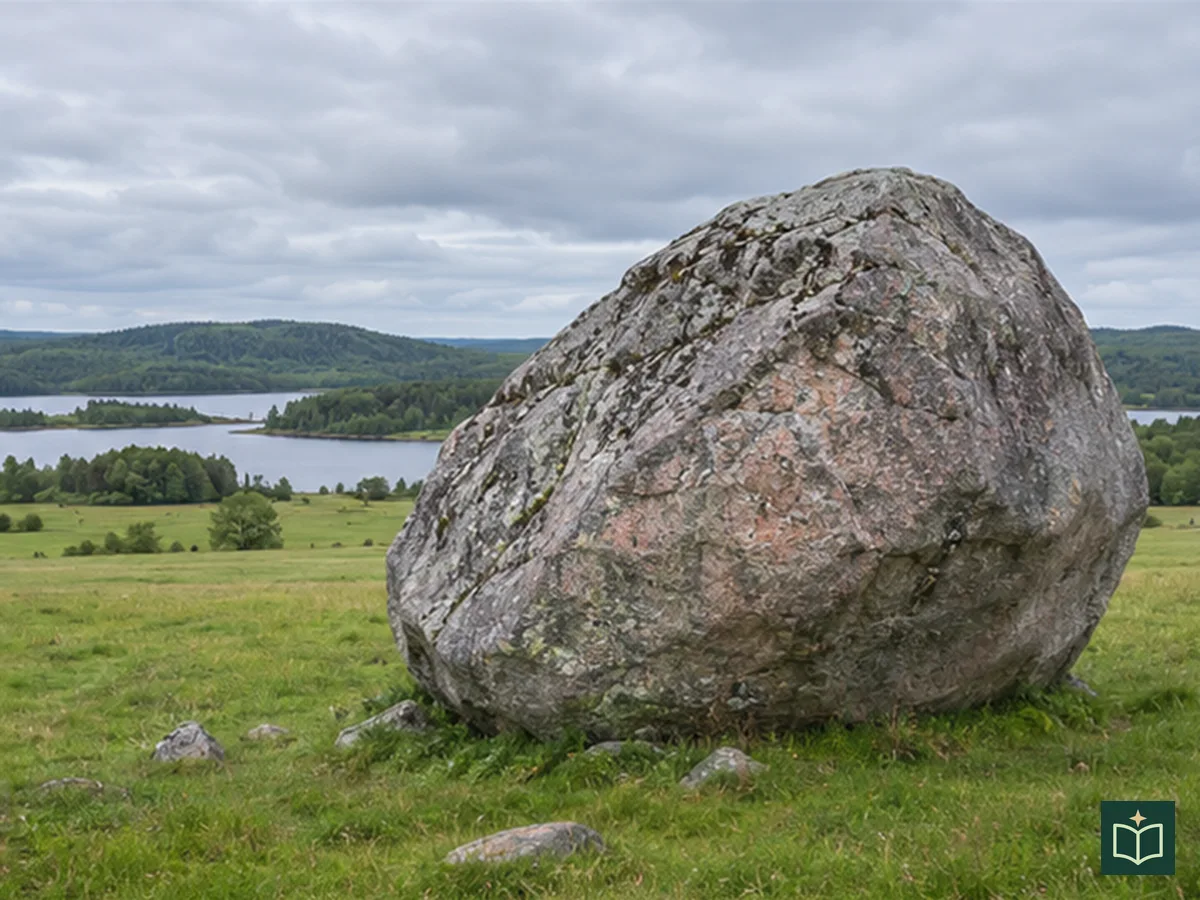
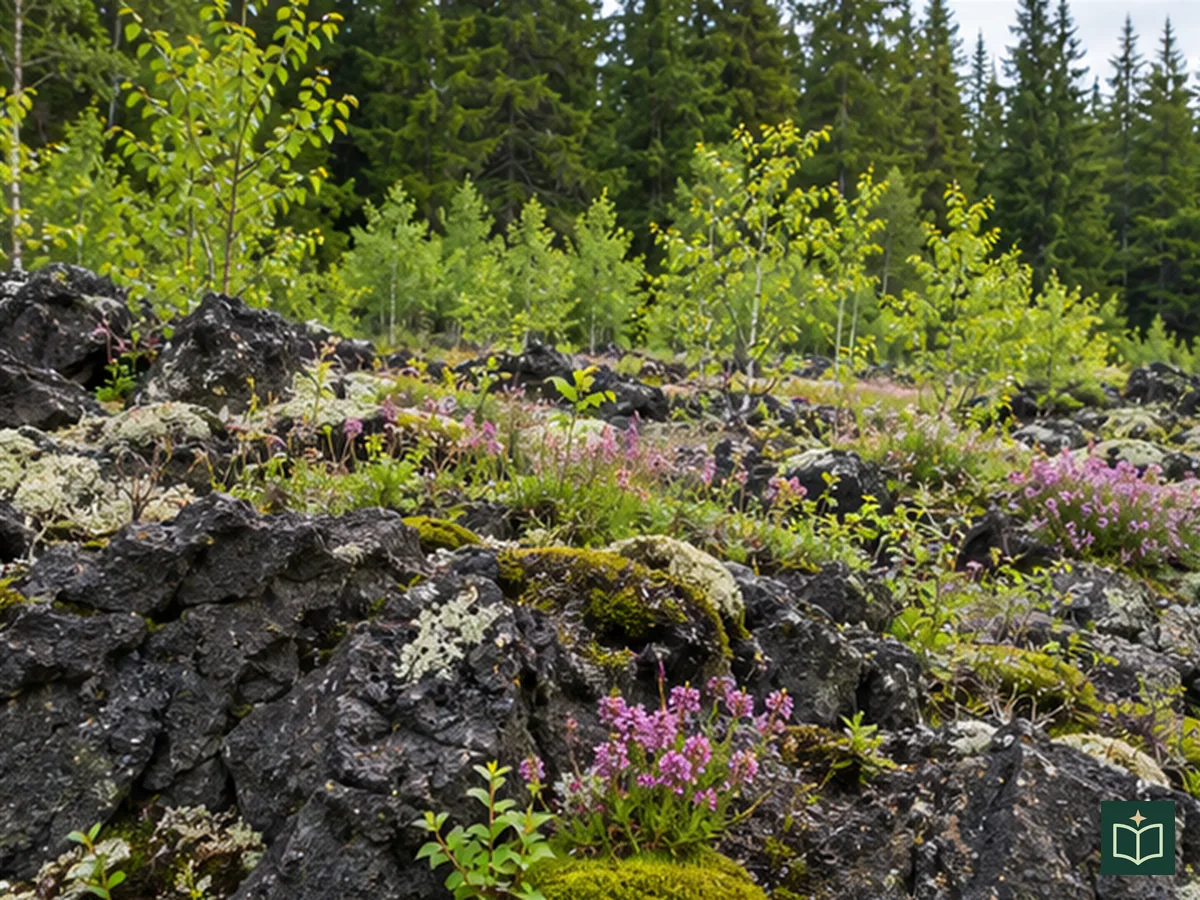
Primary succession begins where there is no soil at all, such as new volcanic rock or ground scraped clean by ice. The first colonists are often lichens, partnerships of fungi and algae that cling to bare rock and slowly break it down. Mosses follow, trapping dust and organic matter. Plants able to fix nitrogen from the air, such as alder and some legumes, enrich the thin soil. In Glacier Bay, Alaska, where ice has retreated a long way since the late eighteenth century, scientists have studied a chronosequence: the farther from the ice, the older the ground and the more advanced the vegetation, from pioneer mats to spruce and hemlock forest.
Islands and volcanoes as laboratories
Volcanic eruptions provide natural experiments. When Krakatau in Indonesia exploded in 1883, it sterilised the remaining islands, and scientists have tracked plants and animals recolonising them ever since, arriving by wind, sea and birds. Surtsey, a volcanic island that rose from the sea off Iceland in 1963, has been protected from visitors so that researchers can record every arrival. The first flowering plants were washed ashore within a few years, and seabird colonies later sped up soil formation with nutrients. On Mount St Helens in the United States, after its 1980 eruption, prairie lupines, which fix nitrogen, were among the first plants to transform the barren pumice plains.
Secondary succession: starting from soil
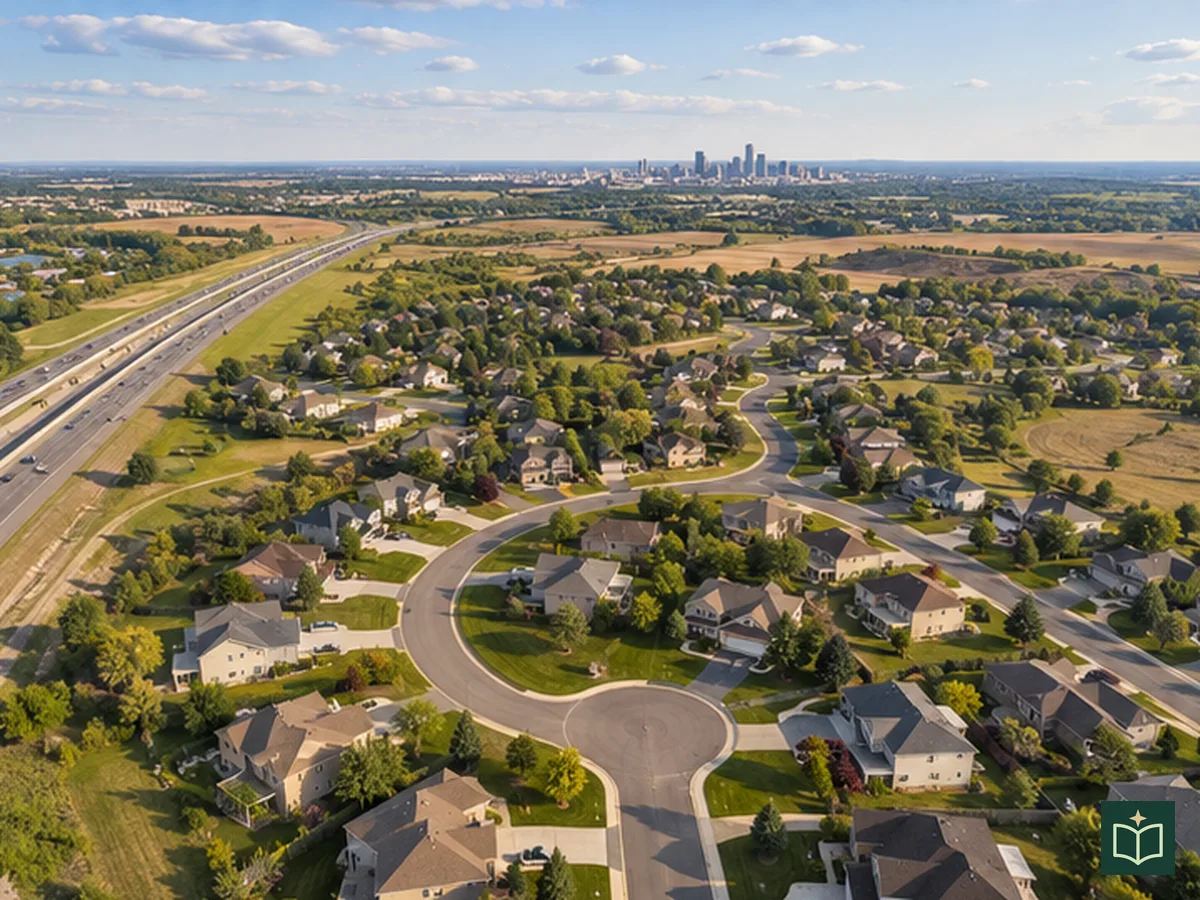
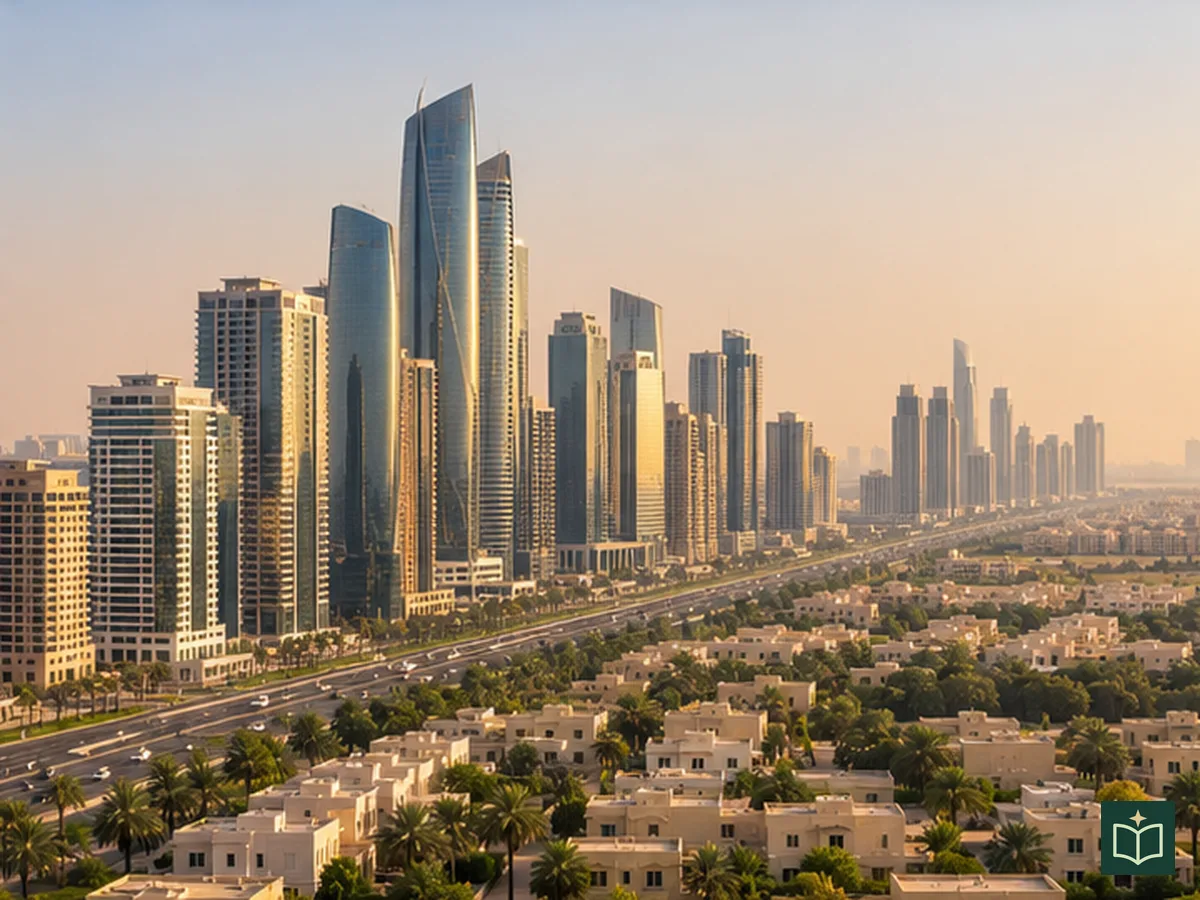
Secondary succession happens where soil survives but the vegetation has been removed, as after fire, storms, logging or farm abandonment. Because seeds, roots and soil organisms remain, recovery is much faster. In the south-eastern United States, ecologists documented a classic sequence on abandoned farm fields: annual weeds in the first year, then perennial herbs and grasses, then pine seedlings within a decade or so, and eventually hardwoods such as oak and hickory growing beneath the pines over a century. In dry regions such as the UAE, succession is slower and patchier, limited by water. Bare desert ground may sprout annuals after rain, while shrubs and trees take far longer.
Is there a final stage?
Early ecologists, notably Frederic Clements, described succession as moving towards a stable climax community, such as a mature forest, determined by climate. Others, such as Henry Gleason, argued that plant communities are looser collections of species responding individually to conditions and chance. Modern ecology leans towards a middle view. Succession often follows recognisable patterns, but disturbance is frequent, so many landscapes are mosaics of patches at different stages. Fires, storms, grazing and pests constantly reset parts of a forest. A common misconception is that the final stage is always the most diverse. In fact, species richness often peaks in the middle stages, when early and late species overlap.
Why succession matters
Understanding succession helps people restore damaged land. Mine sites, quarries and abandoned farmland can be guided to recover faster by planting nitrogen fixers, adding soil organisms or protecting seed sources. Foresters use the concept to plan regrowth after logging, and conservationists sometimes manage grazing or controlled burning to keep valuable early-stage habitats, such as heathland and meadows, from turning into woodland. Succession also offers reassurance and a warning. Nature can reclaim even barren lava, but the process may take centuries, and the result may differ from what was there before. Watching an abandoned field turn gradually into woodland reveals how ecosystems quietly rebuild themselves.
Sources & further reading
- Britannica · Ecological succession ↗
- UNESCO World Heritage · Surtsey ↗
- US National Park Service · Glacier Bay ↗
Figures are rounded and widely published; check the linked organisations for the latest editions. These organisations do not endorse this website.