Why protocol exists
Protocol is the set of rules and customs that govern official occasions between states and within governments. It can look like mere etiquette, but its purpose is practical. When representatives of sovereign states meet, questions such as who enters first, who sits where, or whose flag is placed in the position of honour can imply judgements about rank. In earlier centuries, such questions caused real quarrels, including scuffles between ambassadors' carriages over precedence in the streets. Modern protocol avoids this by agreeing neutral principles in advance. A well-run ceremony lets attention focus on substance, while a careless one can create a diplomatic incident out of an unintended slight.
The Vienna settlement
The great breakthrough came at the Congress of Vienna in 1815, when European states agreed that diplomatic agents would be ranked by class, and within each class by the date they officially took up their post, regardless of the power of the state they represented. This principle survives in the Vienna Convention on Diplomatic Relations of 1961. It means that in any capital, the longest-serving ambassador takes precedence over newer arrivals, whether they represent a large or small country. The same idea of neutral, objective criteria underpins most modern protocol, from the order of speakers at conferences to the arrangement of delegations around a table.
National orders of precedence
Within each country, governments keep an official order of precedence for domestic ceremonies. It ranks the head of state, members of the ruling family where relevant, the head of government, presidents of legislative chambers, chief justices, ministers, senior officials and the diplomatic corps. Protocol offices, usually part of the foreign ministry or the head of state's office, apply these lists when organising state events, national day receptions and funerals. In Gulf monarchies, protocol also reflects the roles of rulers, crown princes and senior members of ruling families. Forms of address follow the same logic: ambassadors are styled Excellency, and many Gulf rulers are addressed as His Highness.
Seating and the place of honour
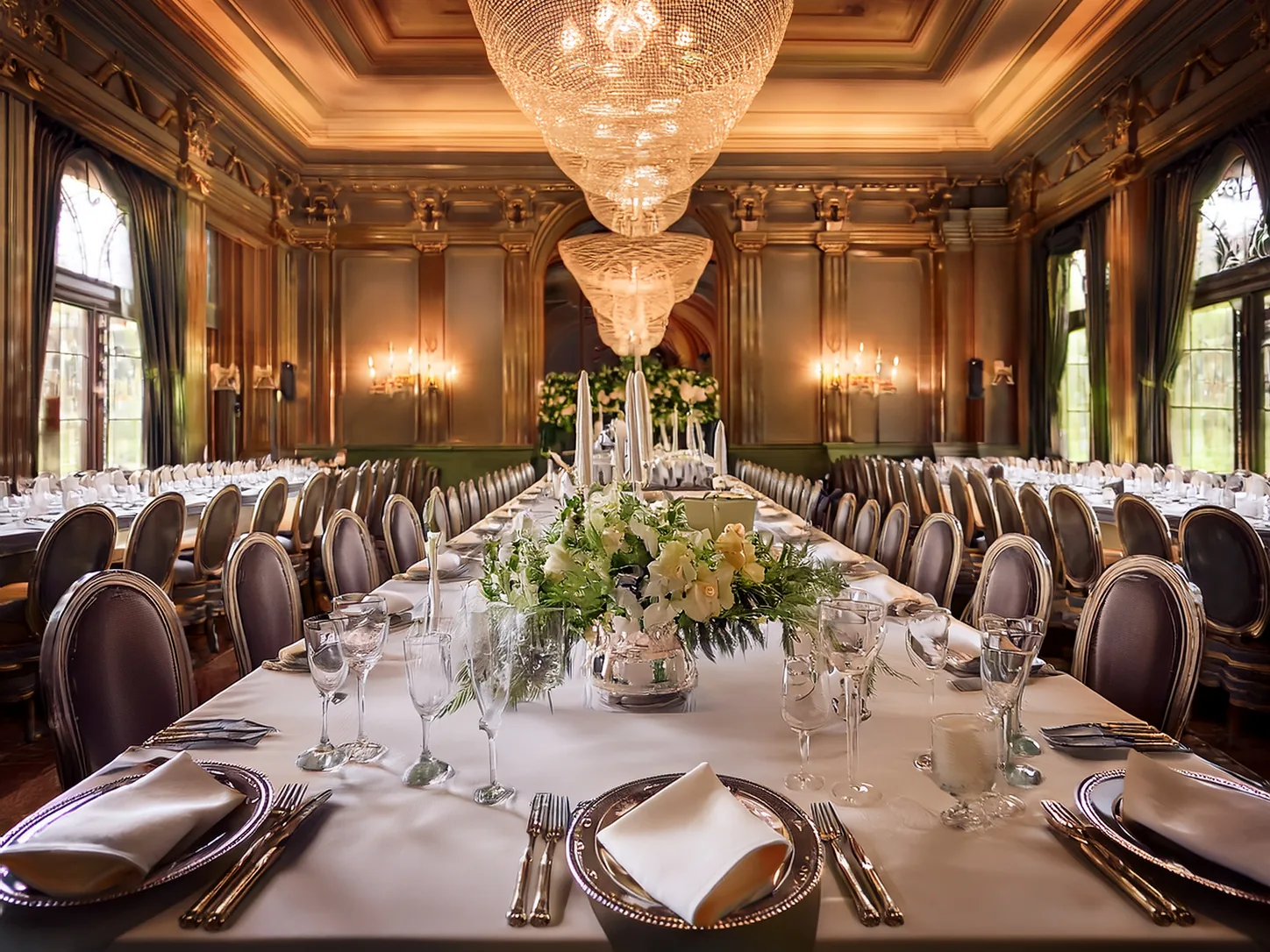
Seating plans are among protocol officers' most careful work. In most traditions, the place of honour is to the right of the host, so a principal guest sits or stands there. At a long table, the host and guest of honour typically sit in the middle facing each other, with others arranged outward by rank. At multilateral meetings, states are often seated in alphabetical order. The UN General Assembly goes further: each year the Secretary-General draws a lot to decide which country sits in the first seat, and the others follow alphabetically in English. By long-standing custom, Brazil speaks first in the Assembly's annual general debate, followed by the host country.
Flags, gifts and ceremonies
Protocol also covers flags, anthems, gifts and dress. When flags of several states are displayed together, they are normally the same size, flown at the same height, and arranged in alphabetical order or with the host's flag in a defined position. Official gifts are chosen to reflect the giver's culture without embarrassing the recipient, and many governments have rules about how gifts received are recorded. Ceremonies such as guards of honour, the playing of anthems and the signing of agreements follow scripts rehearsed by both sides in advance. Cultural awareness is part of the job: hosts consider dietary customs, religious observances and local sensitivities when planning menus and schedules.
When protocol becomes news
Most of the time protocol goes unnoticed, which is its purpose. It becomes news when something goes wrong or when a deliberate change sends a message. Downgrading the rank of the official who greets a visitor at the airport, cancelling a joint press conference, or seating a delegation unexpectedly far from the head of the table can all signal displeasure. Conversely, a ruler personally receiving a guest or an elaborate welcome ceremony can signal special warmth. Reading protocol choices is therefore one way to interpret relations between states. A common misconception is that protocol is about luxury. In fact, its core aim is equal and predictable treatment.
Sources & further reading
- United Nations · Protocol and Liaison Service ↗
- United Nations · Vienna Convention on Diplomatic Relations, 1961 ↗
- Britannica · Diplomacy ↗
Figures are rounded and widely published; check the linked organisations for the latest editions. These organisations do not endorse this website.