Three dates that matter
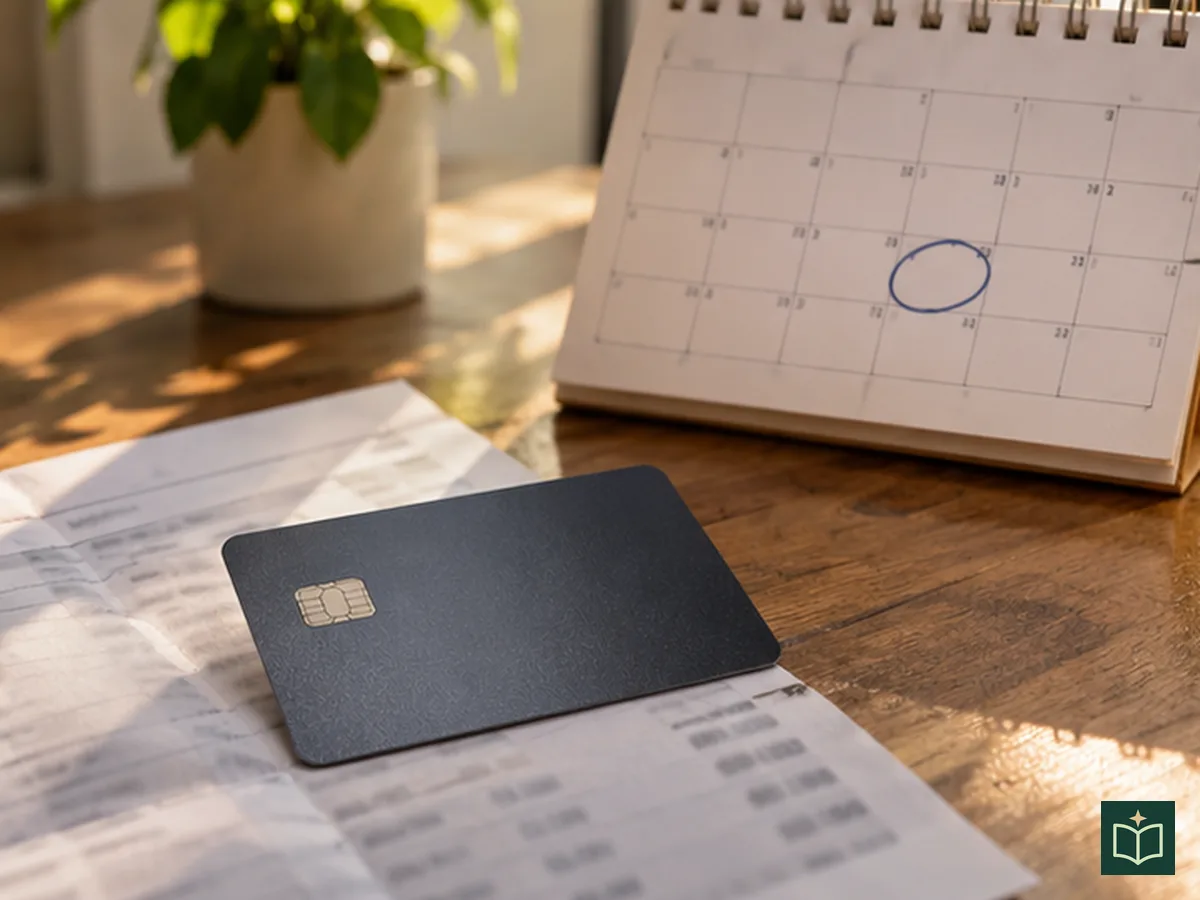
A credit card runs on a monthly billing cycle. Purchases made during the cycle are collected on the statement date, when the issuer totals what is owed and sends a statement. That statement shows a due date, typically a few weeks later, by which at least the minimum payment must arrive. The period between the statement date and the due date is the grace period. In the United States, issuers that offer one must leave at least 21 days. In the UAE and many other markets, grace periods of around 20 to 25 days are common. Depending on when in the cycle a purchase is made, a cardholder can enjoy anything from about three weeks to nearly two months of interest-free credit.
The condition attached
The grace period comes with a condition that is easy to miss: it usually applies only if the full statement balance is paid by the due date. A cardholder who pays everything owes no interest on purchases at all, which is why many people use cards as a convenient, free short-term loan. But if any part of the statement balance is left unpaid, most issuers treat the free-credit window as forfeited. Interest is then typically calculated not just on the leftover amount but on each purchase from the date it was made or posted. The exact method varies by issuer and country, so card terms, often called the key facts statement, are worth reading closely.
A worked example
Imagine a card charging 3% a month, a rate seen on many UAE cards. A statement shows AED 10,000 of purchases. The cardholder pays AED 9,000 by the due date, believing interest will apply only to the remaining AED 1,000, or about AED 30 for a month. Under the common method where the grace period is lost, interest instead runs on the full AED 10,000 from each purchase date until the payment arrives, and then on the AED 1,000 after that. For a balance outstanding about a month, that can approach AED 300 rather than AED 30. The figures are simplified and illustrative; actual charges depend on purchase dates and the issuer's calculation method.
New purchases lose out too
Losing the grace period has a second effect. While a balance is being carried, new purchases often start accruing interest immediately rather than waiting for the next due date. The card no longer offers free credit at all until the balance is cleared, and some issuers require it to be paid in full for one or even two consecutive cycles before the grace period is restored. Cash withdrawals are different again: they almost never have a grace period, attract interest from the day of withdrawal and usually carry a separate fee. A cardholder who mixes cash advances, carried balances and new spending can end up paying interest on almost every dirham on the statement.
Common misconceptions
A frequent belief is that paying the minimum keeps a card in good standing at no cost. It does avoid a late fee and protects a credit record, but it almost always triggers interest on the whole balance. Another is that paying most of a balance means paying interest on only the remainder. As the example shows, that is often not the case. Some people also assume interest is charged from the statement date, when it is commonly charged from the transaction date. Rules differ: US law bans so-called double-cycle billing, while other countries set their own limits. This article is general education; cardholders should check their own issuer's terms rather than assume.
Using the period well
Handled carefully, the grace period makes a card a form of credit that costs nothing. The key habit is to pay the statement balance, not the current balance or the minimum, in full every month, ideally by automatic payment set for the due date. Timing large purchases just after a statement date maximises the interest-free window. If a balance cannot be cleared, paying as much as possible early limits the damage. For larger debts, a lower-rate personal loan may cost less than a card. The grace period rewards discipline; it is generous to those who never use it to borrow.
Sources & further reading
- Consumer Financial Protection Bureau · Credit cards ↗
- Central Bank of the UAE · Consumer protection ↗
- MoneyHelper (UK government-backed) · Credit cards ↗
Figures are rounded and widely published; check the linked organisations for the latest editions. These organisations do not endorse this website.