Two different speeds
Internet plans are sold by speed, usually in megabits per second, but that single number hides two separate qualities. Bandwidth is capacity: how many bits a link can carry each second. Latency is delay: how long it takes one packet of data to reach its destination, often measured as a round trip and reported as ping in milliseconds. A helpful picture is a motorway. Bandwidth is the number of lanes, deciding how many cars can travel side by side. Latency is the length of the journey, deciding how long each car takes to arrive. Adding lanes lets more cars through per hour but does not make any single car arrive sooner.
What sets latency
The biggest fixed cause of latency is distance. Light in optical fibre travels at roughly 200,000 kilometres per second, about two-thirds of its speed in a vacuum, so every 1,000 kilometres adds about five milliseconds each way. A round trip from Dubai to a server in London, more than 5,000 kilometres away, cannot take much less than 55 milliseconds even on a perfect, straight cable, and real routes add more. Every router, switch and Wi-Fi hop along the way adds a little processing time. Congestion adds queuing delay when networks are busy. Geostationary satellites, orbiting about 36,000 kilometres up, add more than half a second to a round trip, though low-orbit satellites cut that sharply.
Why gamers watch the ping
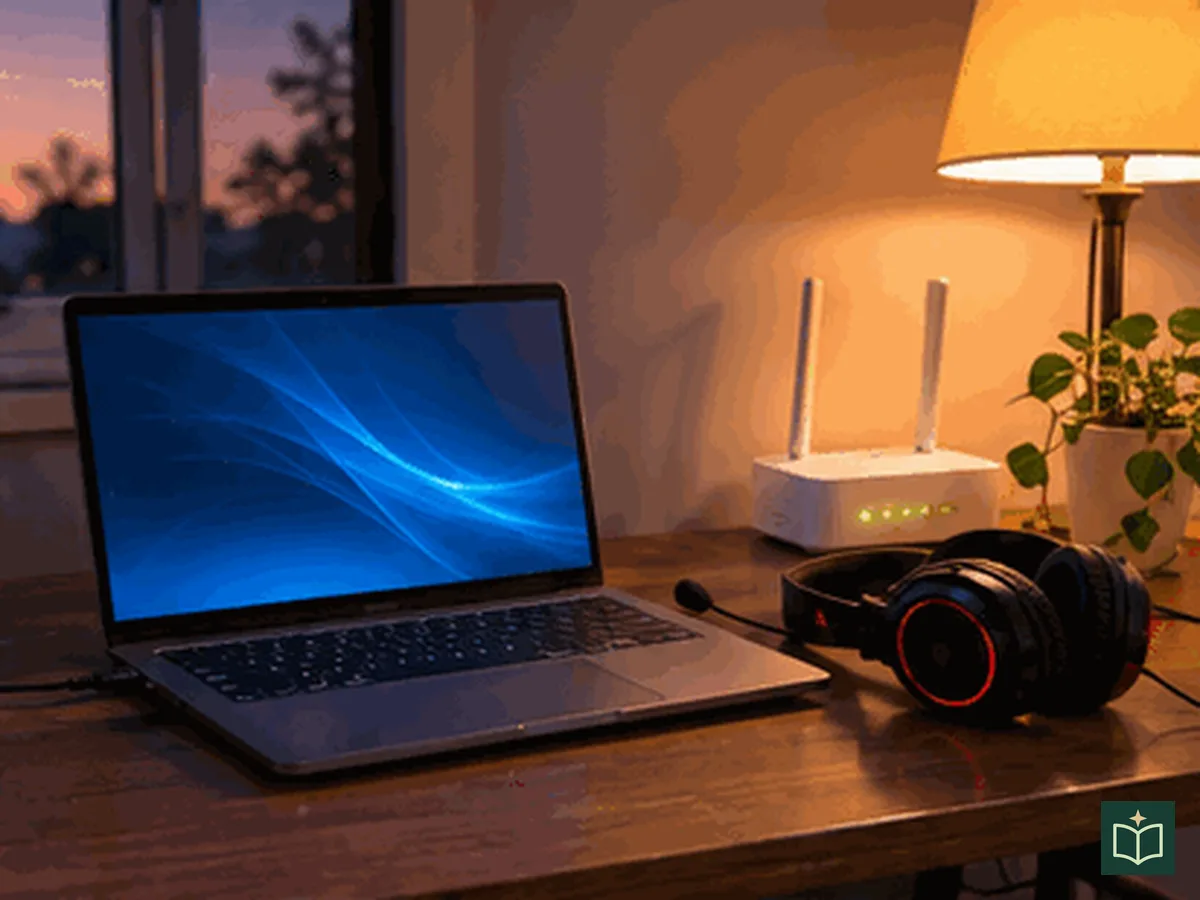
In fast online games every action, from firing to dodging, is sent to a server and the result sent back. With 20 milliseconds of latency, the game feels instant. At 150 milliseconds, opponents seem to react before you do and shots that looked accurate miss. Most games need surprisingly little bandwidth, often only a few megabits per second, because they send small, frequent updates rather than video. What matters is a short, steady round trip. Variation in latency, called jitter, can be worse than consistently high latency, because it makes movement stutter. Video calls are similar: a delay much above a few hundred milliseconds makes people talk over each other.
Why streamers need bandwidth
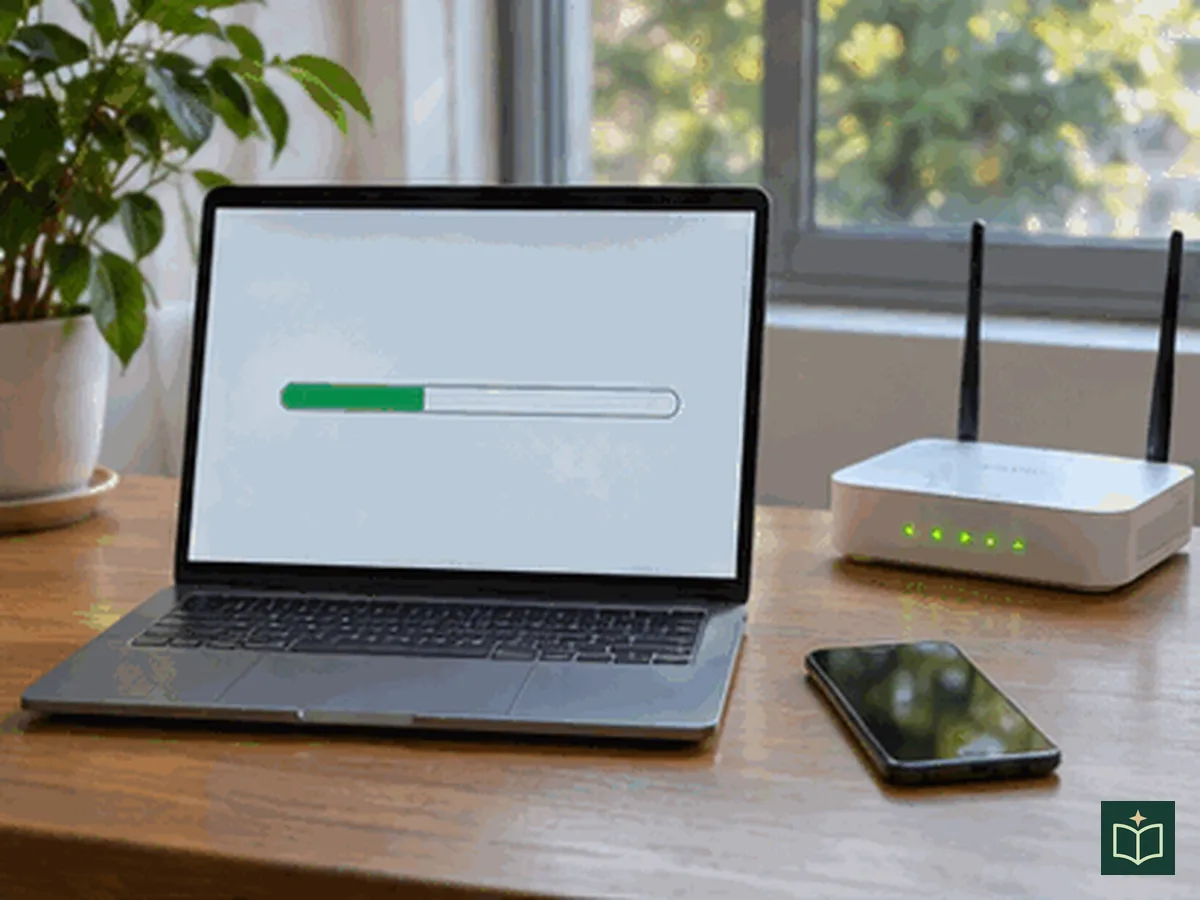
Streaming video is the opposite case. A film is a large, steady flow of data, and services buffer a few seconds ahead, so a delay of a tenth of a second before playback starts barely matters. What matters is whether the connection can keep up with the bitrate. Ultra-high-definition streams typically need somewhere around 15 to 25 megabits per second, and a household with several people streaming, downloading game updates and backing up phones at once may need far more. Large downloads are also bandwidth-bound: doubling the bandwidth roughly halves the waiting time. People who upload video for a living also care about upload bandwidth, which is often lower than download on home connections.
Why a fast plan can feel slow
Ordinary web browsing is more latency-sensitive than many people expect. Loading a single modern page can involve dozens of separate requests to different servers, each needing its own round trip before the next begins. On a high-latency link those small delays stack up, so a page can feel slow even on a connection with plenty of bandwidth. This is why content delivery networks store copies of popular websites and videos in data centres close to users, including in the Gulf. Shortening the physical distance cuts latency in a way that buying more bandwidth cannot. Using a cable instead of crowded Wi-Fi also helps, by removing one source of delay and jitter.
Reading a speed test
A typical speed test reports three numbers: download speed, upload speed and ping. The first two are bandwidth; the last is latency. For streaming and large downloads, look at download speed. For video calls, uploads and cloud backups, check upload speed too. For gaming and calls, a ping under about 50 milliseconds to nearby servers is generally comfortable, and a stable figure matters more than a low one that jumps around. Tests usually measure to a nearby server, so they show the best case rather than the delay to a distant game or website. Upgrading a plan adds bandwidth; reducing latency usually means better routing, closer servers or a wired connection.
Sources & further reading
Figures are rounded and widely published; check the linked organisations for the latest editions. These organisations do not endorse this website.