
Ask what changed.
Is the disruption about route length, port capacity, insurance, fuel or all of them?
A ship taking a detour does not automatically make every grocery item more expensive. The effect travels through a chain—and each link can amplify, delay or absorb it.
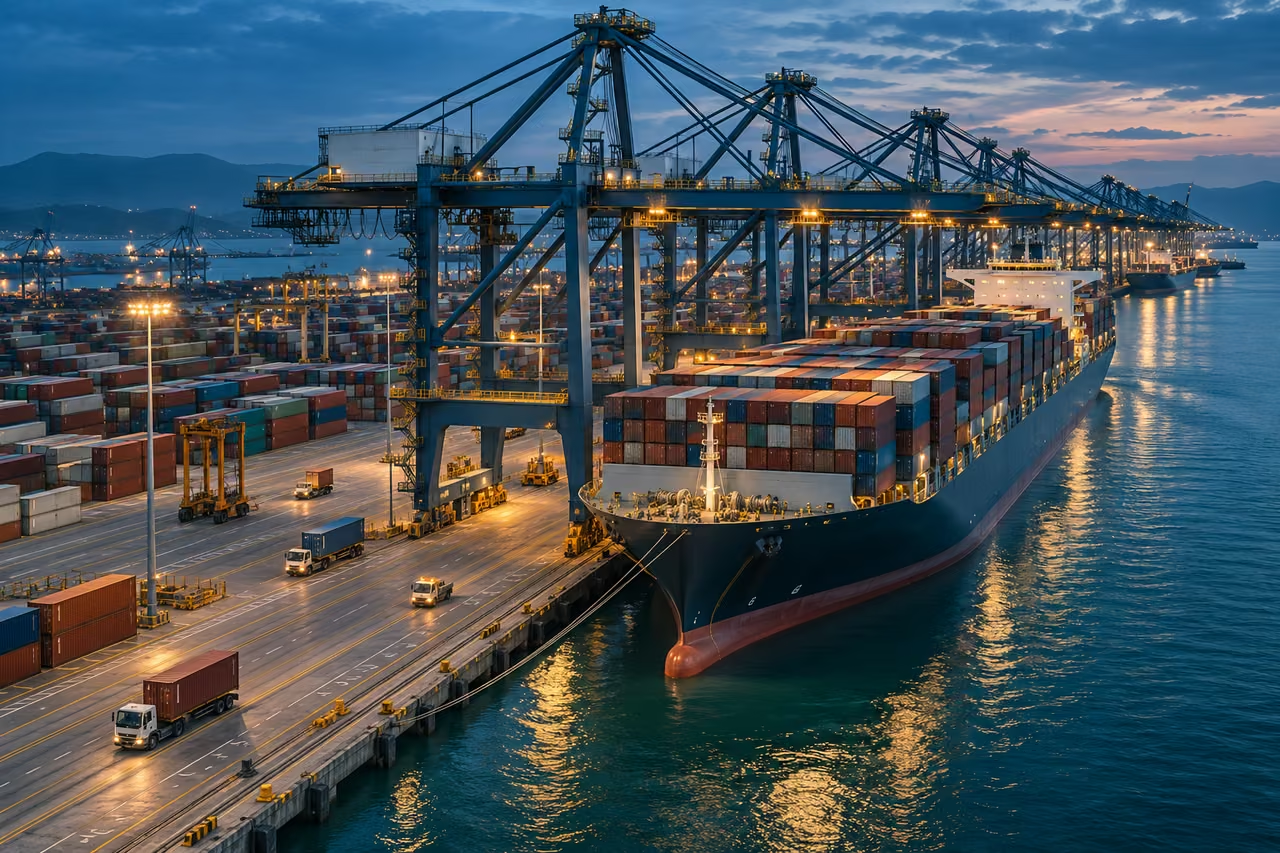
A disruption can send vessels around a longer route. Cargo still moves, but the same journey uses more sailing time.
Longer voyages tie up ships and add operating costs. Freight rates can react when effective capacity is stretched.
A supplier may pay more, carry extra stock, change sourcing or accept a longer lead time. Existing contracts can delay the impact.
Retailers weigh procurement, local distribution, competition and margins. Some costs may pass through; others may be absorbed.
A grocery price contains more than an ocean crossing. Ingredients, processing, packaging, energy, labour, rent, taxes and the exchange rate can all matter. Exposure also differs: a locally grown vegetable and a packaged imported product do not have the same supply chain.
At a starting price of AED 100, shipping of AED 10 becomes AED 15. With every other component unchanged and full cost pass-through, the total becomes AED 105. This is arithmetic, not an estimate of any actual grocery basket.
Is the disruption about route length, port capacity, insurance, fuel or all of them?
Which goods use the affected route? What alternative suppliers or stocks are available?
Contracts, inventory turnover and competition can make the retail effect uneven and delayed.
UNCTAD’s 2025 report supplies the shipping context. The price-component example is original and hypothetical. International commodity indices are not local consumer grocery prices. Checked 15 November 2026.